
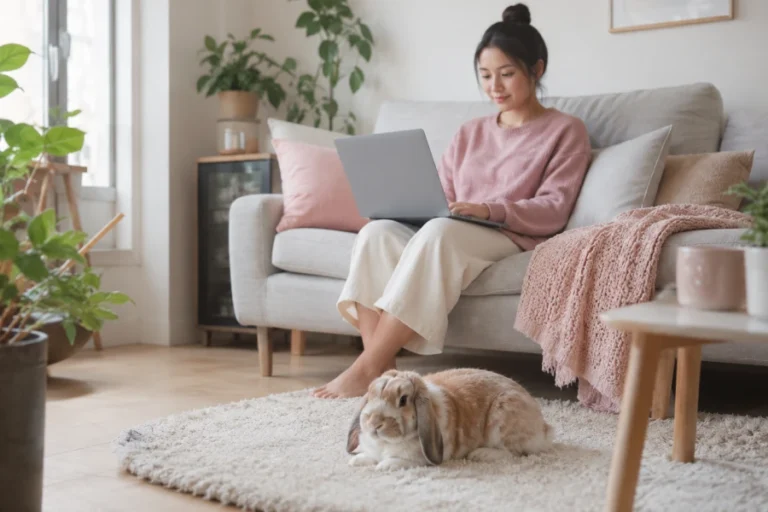
Low noise pets appeal to people who want comfort without constant sound pressure. They fit homes where neighbors are close, routines are busy, and walls feel thin. A quiet animal can make an apartment feel personal without making it feel crowded. The goal is not to find a pet that never moves or reacts. Instead, you want a companion whose normal behavior blends into daily life. That choice requires more than a cute photo or quick recommendation. You need realistic expectations about habits, care, and environment. With quiet companion ideas, the decision becomes clearer and more practical.
Animals become calmer when their environment feels consistent. Feeding times, cleaning rhythms, lighting, and interaction patterns all shape behavior. A pet that knows what to expect has fewer reasons to become restless. This matters especially in apartments, where small disruptions travel quickly. A cage door, water bowl, or toy can sound louder at night. Predictability reduces those moments before they become habits. It also helps you recognize unusual behavior sooner. When a normally quiet pet becomes noisy, something likely needs attention. That clue can improve care. Good routines protect both your pet and your peace.
Not every quiet-looking animal creates a quiet home. Some species hide stress until their behavior suddenly changes. Others seem calm in stores but become active at night. You should study natural sleep cycles before choosing. A nocturnal pet may not match a light sleeper. A social animal may become restless without enough interaction. Even fish tanks require equipment that hums or bubbles. Real research prevents disappointment. It also helps you prepare the right supplies before the pet arrives. The smartest choice combines sound level, care needs, budget, and emotional fit.
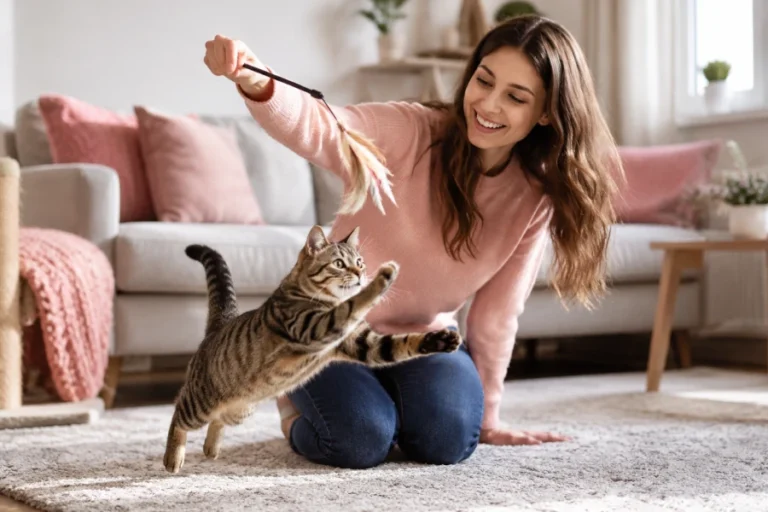
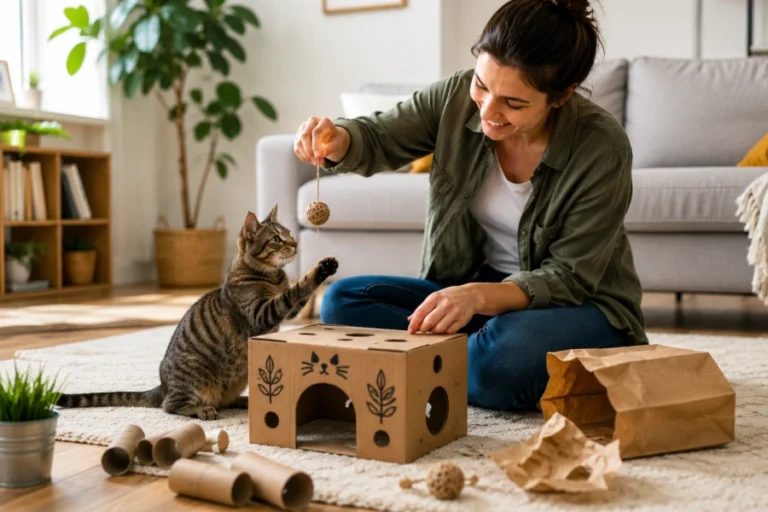
Quiet does not mean inactive or ignored. Low noise pets still need stimulation that suits their species. A rabbit needs safe chewing options. A cat needs play that satisfies hunting instincts. A reptile needs proper habitat variation. Small mammals need tunnels, textures, and movement opportunities. Enrichment prevents frustration from becoming disruptive behavior. It also makes pet ownership feel more rewarding. You get to observe natural habits in a controlled, respectful way. Using small-space pet advice helps you create engagement without adding unnecessary noise.
Many apartment dwellers worry that quieter pets may feel emotionally distant. That fear is understandable, but it is not always true. Calm animals can still bond deeply through routine and trust. Some pets show affection through proximity rather than sound. Others recognize feeding patterns, handling styles, or familiar voices. A quiet bond may feel softer but still meaningful. You do not need constant vocal response to feel connected. In fact, lower stimulation can make shared time more relaxing. The relationship becomes about presence, patience, and steady care. That style suits many modern homes beautifully.
Where you place your pet matters almost as much as which pet you choose. Keep habitats away from shared bedroom walls when possible. Use rugs, pads, and stable furniture to absorb vibration. Choose equipment with quiet motors or smooth wheels. Avoid placing cages near televisions, speakers, or busy windows. Sudden stimulation can trigger movement or stress responses. Good placement also makes cleaning easier. A cleaner environment usually supports calmer behavior. Thoughtful design turns the apartment into a better habitat. For renters, apartment animal care starts with these practical details.
The right quiet pet can make your apartment feel more grounded. You gain companionship without reshaping your whole life around noise management. Your neighbors stay comfortable, and your routines stay realistic. The pet also benefits because the home matches its needs. This harmony is the point of careful selection. You are not simply avoiding complaints. You are creating a calmer life for both yourself and the animal. That requires honesty before commitment. When sound, care, space, and temperament align, pet ownership feels lighter. A peaceful companion can change the mood of a small home.

Leave a comment
You must be logged in to post a comment.